Ly's brand builder system
The method

eight scenes.
one blueprint.

The same questions I worked through with brand teams for 20 years, in plain words. About 60 minutes, start to finish. Do it in the free workbook, in Ly's Brand Builder Studio, or with me.

Before we start

the brand isn't a logo.The logo is the symbol for the brand.

the brand isn't a tagline.The tagline is the descriptor for the brand.

the brand is your reason for being, your personality, and your story.

The method · 8 steps · about 60 minutes

eight steps.
one blueprint.
01

Purpose

Why you exist, who would miss you, and the business you are really in.

Purpose in one line
02

Audience

Two or three people you can picture, each with a real insight in their own words.

Named audience profiles

03

Character

Twelve archetypes. Pick your core and your flavour, and name the shadow to avoid. Meet the 12 →

Personality and feeling

04

Voice & tone

Six rules: what you are, and what you are not.

Voice rules
05

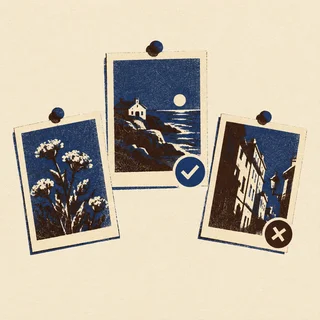
More like / not like

People and brands everyone knows, so designers and editors get it in one look.

Reference wall
06

Positioning

Different, not better. Where you sit against the alternatives, and why people should believe you.

Position and proof
07

Point of view

The old game, the new truth, and the belief that makes you different.

A POV you can post

08

Name & line

The name, tagline or bio line that carries everything above.

Brief and shortlist
Going further · for scenes 6 and 7

don't be better.
be different.

Scene 6 (positioning) and scene 7 (point of view) help you stand out. This section goes one step deeper, for businesses that want to lead their market, not just join it. The idea is called category design: instead of fighting to be the best in someone else's game, you name a new game that you can win.

The trap

trying to be better

Faster, cheaper, more features. Customers line you up next to everyone else and pick on price.

The way out

being different

A new way to see the problem. Customers stop comparing you to others and start comparing others to you.

Tell it as a story in three acts · example: Mai Coffee
Act 1

the villain

Name the problem people feel in their gut.

"Busy carers get rushed, faceless coffee."
Act 2

the hero

Your new category. Not your product.

"A café that looks after the people who look after everyone."
Act 3

the future

The world once the problem is gone.

"Every nurse on the street starts the shift feeling cared for."
Scene 6 finds your space.Who else people could choose, and the gap only you can own.
Scene 7 turns it into a story.The old way, the new truth, and what you believe. The three acts above, in your words.
Category design framework: Play Bigger, by Ramadan, Peterson, Lochhead and Maney

ready to start?